
Introduction:
In today’s visually driven world, graphic design is everywhere — from the logo on your coffee cup to the layout of your favorite website. But have you ever wondered what graphic designing really is? Whether you’re an aspiring designer, a business owner, or just curious about how visuals shape our digital experience, understanding the fundamentals of graphic design is a great place to start.
In this blog, we’ll break down what graphic designing is, explore its key elements, the different types of design, tools prof
essionals use, and how this creative field powers everything from branding to social media. Let’s dive into the world where art meets purpose.
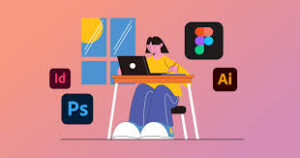
What Is Graphic Designing?
In the modern world, where visual communication dominates how we consume content, make decisions, and experience brands, graphic designing plays a central role. But what exactly is graphic designing? Why is it so vital to businesses, media, and communication today? This in-depth description explores the definition, purpose, significance, and scope of graphic designing in today’s world.
Defining Graphic Designing
At its core, graphic designing is the craft of creating visual content to communicate information or ideas. It involves combining text, images, colors, illustrations, and layouts in a way that delivers a clear and engaging message. Whether it’s a company logo, a website banner, a product label, or a digital advertisement, graphic design touches nearly every visual element we see in our daily lives.
Unlike fine art, which emphasizes personal expression, graphic design is goal-oriented. It aims to achieve a spe
cific result—whether it’s informing, persuading, or inspiring the audience. It is the bridge between a brand or message and its target audience, translating complex ideas into accessible and appealing visuals.
The Purpose of Graphic Design
The primary purpose of graphic design is effective communication. A well-designed visual can quickly convey information that might take several lines of text to explain. Beyond that, it helps in:
- Building Brand Identity: Logos, color palettes, and typography create a visual personality for a brand.
- Improving User Experience: Through well-designed websites, apps, or digital interfaces.
- Creating Emotional Impact: Design influences perception, mood, and trust.
- Driving Engagement and Action: From ad clicks to product purchases.
- Making Information More Understandable: Infographics and visual aids simplify complex data.
The Scope of Graphic Design
Graphic design is a broad field with many specializations. Some of the most common types include:
- Visual Identity Design: This includes designing logos, color schemes, and brand guidelines that define a company’s image.
- Marketing & Advertising Design: Flyers, social media graphics, brochures, digital ads, and more.
- User Interface (UI) Design: Designing buttons, menus, and layouts for websites and mobile apps.
- Publication Design: Creating layouts for books, magazines, newspapers, and digital publications.
- Packaging Design: Designing the outer appearance of a product’s packaging to attract buyers.
- Motion Graphics: Animation and visual effects for videos, presentations, and social content.
- Environmental Design: Signage, exhibitions, and displays in public spaces.
Each of these specialties may use different tools, workflows, and creative approaches but are unified by the core goal of communicating a message visually.
Key Elements of Graphic Design
Every graphic design relies on some fundamental principles and elements. These include:
- Line: Used to create divisions, patterns, or direction.
- Shape: Geometric or organic figures that form the structure.
- Color: Adds emotion, emphasis, and brand consistency.
- Typography: The style and arrangement of text.
- Texture: Adds depth or tactile illusion.
- Space: White space improves readability and focus.
- Balance & Hierarchy: Organizes content by importance and visual flow.
Mastering these elements allows designers to craft effective compositions that draw the viewer’s attention and convey the intended message.
Tools Used in Graphic Designing
Modern graphic designers rely on a mix of traditional sketching and digital tools. Some of the most popular software used today includes:
- Adobe Photoshop – for photo editing and digital artwork.
- Adobe Illustrator – for vector graphics and logos.
- Adobe InDesign – for print and digital publications.
- Canva – beginner-friendly tool for quick design needs.
- Figma & Sketch – primarily for UI/UX and web design.
- CorelDRAW – another vector-based design tool.
These tools help designers bring their creative vision to life while ensuring that files are optimized for various platforms and media.
Graphic Design in the Digital Age
The rise of digital technology has significantly expanded the reach and application of graphic design. From responsive websites to interactive mobile apps, designers today must consider multiple devices, screen sizes, and user behaviors. Social media, in particular, has created a huge demand for engaging, fast-paced design content like reels, carousels, and branded visuals.
Moreover, graphic designing is now more data-driven. Designers work closely with marketers and analysts to understand which designs convert better and how audiences interact with visual content.
The Role of a Graphic Designer
A graphic designer is more than just an artist. They are visual problem solvers. They take a client’s or company’s objective and transform it into a visual piece that resonates with the target audience. Their responsibilities may include:
- Interpreting design briefs
- Conducting audience research
- Creating mockups and prototypes
- Collaborating with other departments (marketing, product, etc.)
- Revising designs based on feedback
Strong communication, attention to detail, and
a deep understanding of color, layout, and typography are essential skills.
Core Elements of Graphic Design
When exploring what is graphic designing, it’s essential to understand its core elements, as they form the building blocks of all visual communication. Graphic designing is the art of combining visual elements to convey ideas and messages effectively. These elements include line, shape, color, texture, space, form, and typography—each contributing uniquely to the overall impact of a design. For example, lines can create structure or movement, colors can evoke emotion, and typography ensures readability and tone. By mastering these fundamentals, graphic designers craft visuals that not only look appealing but also communicate clearly and purposefully across various media platforms.
Read More:
Types of Graphic Designing
Graphic design is not a one-size-fits-all skill. It spans multiple fields, each with its own focus, tools, and purpose. Whether you’re into branding, digital experiences, or motion visuals — there’s a design path tailored for your passion.
Here are the main types of graphic design in 2025:
1. Visual Identity Design
This type focuses on creating the brand’s visual language — how it looks, feels, and communicates.
Includes:
-
Logo design
-
Brand color palette
-
Typography systems
-
Business cards & brand guidelines
Goal: Build consistency and recognition across all platforms.
2. Marketing & Advertising Design
Design that helps promote products, services, or ideas. It’s meant to grab attention, generate leads, and increase conversions.
Includes:
-
Posters, flyers, brochures
-
Social media creatives
-
Email templates
-
Ad banners (print & digital)
Goal: Attract and persuade target audiences.
3. User Interface (UI) Design
UI design focuses on the look and feel of digital products — ensuring they’re attractive, intuitive, and user-friendly.
Includes:
-
Website design
-
Mobile app screens
-
Button styles, menus, icons
-
Interactive elements
Goal: Enhance user experience through visual elements.
4. User Experience (UX) Design (closely related to UI)
While UI focuses on appearance, UX design focuses on how users feel and interact with a digital product.
Includes:
-
Wireframes
-
Prototypes
-
Journey mapping
-
Usability testing
Goal: Ensure ease, logic, and satisfaction in user flow.
5. Motion Graphics Design
This is where design meets animation. Motion designers bring static visuals to life using movement.
Includes:
-
Animated explainer videos
-
Social media reels
-
Logo animations
-
Title sequences (YouTube, film, TV)
Goal: Make visuals more engaging, modern, and dynamic.
6. Packaging Design
Combines branding, illustration, and product information into a design that both protects and sells a product.
Includes:
-
Box designs
-
Label layouts
-
Bottle, bag, or container packaging
Goal: Make the product stand out on shelves and reflect the brand’s identity.
7. Publication & Editorial Design
Design focused on layouts and long-form content in print and digital form.
Includes:
-
Magazines
-
Books and eBooks
-
Catalogs
-
Reports
Goal: Make content easy to read, aesthetically pleasing, and well-structured.
8. Environmental Design
This combines spatial design and visual art to enrich the look and feel of physical environments.
Includes:
-
Signage and wayfinding
-
Event installations
-
Museum exhibits
-
Branded office interiors
Goal: Guide people and enrich spatial experiences.
9. Art & Illustration for Design
Not all graphic design is corporate or commercial. Some designers create custom illustrations or artworks used within other designs.
Includes:
-
T-shirt graphics
-
Book covers
-
Album art
-
Merchandise
Goal: Express creativity and add unique artistic flavor.